
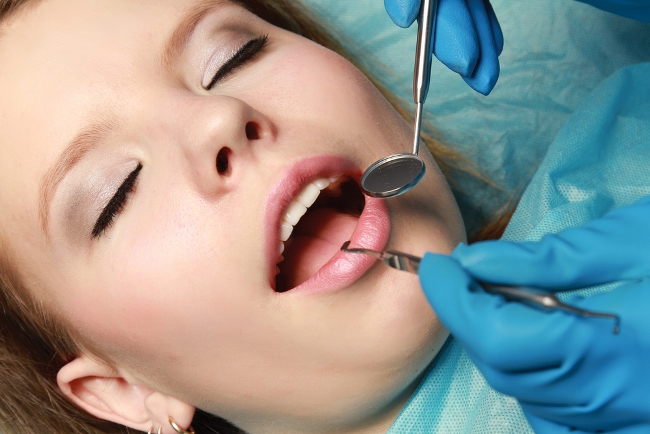
There’s a classic idiom in the English language that compares unpleasant, difficult tasks to pulling teeth. Known as dental extraction, pulling teeth is recommended in situations in which you’ve likely developed a toothache and it hurt enough to visit the dentist. And while it isn’t our idea of a fun day, dental extractions have come a long way, and you shouldn’t have a bad feeling about getting one. Here are some of the reasons your tooth needs to be extracted:
- Seriously damaged teeth, either due to injury or decay, unable to be saved
- A wisdom tooth (third molar) that may cause crowding, alignment problems, pain, or infection
- Teeth blocking another tooth from coming in
- Baby tooth that didn’t fall out in time
- Crowded teeth may require removal to allow braces to better adjust the remaining teeth
- Infected teeth that could potentially be an infection source in high-risk patients such as those undergoing organ transplants or cancer treatment
Extractions typically fall into one of two classes – simple and surgical. Dentists often perform simple extractions, which generally involve a single tooth that is visible in the mouth, with clear alignment – after numbing the area with local anesthetic, the tooth will be loosened using an instrument known as an elevator, and then pulled with an instrument known as forceps. For surgical removal, the surgeon may use local anesthetic, moderate sedation, or general anesthesia, and likely use a combination of tools and techniques to remove teeth that may be difficult to see (or still within the gums).
If your dentist recommends an extraction, it’s likely that you have a potentially serious problem. While it’s unlikely you’ll celebrate the news, you need not fear – there are worse problems to have than pulling teeth.
Visit Dr. Kirtley today and schedule an appointment to maintain a healthy smile. Call 317-841-1111 or www.smilesbygeorge.com.
Dr. George Kirtley proudly serves Indianapolis and all surrounding areas.



 When we think about
 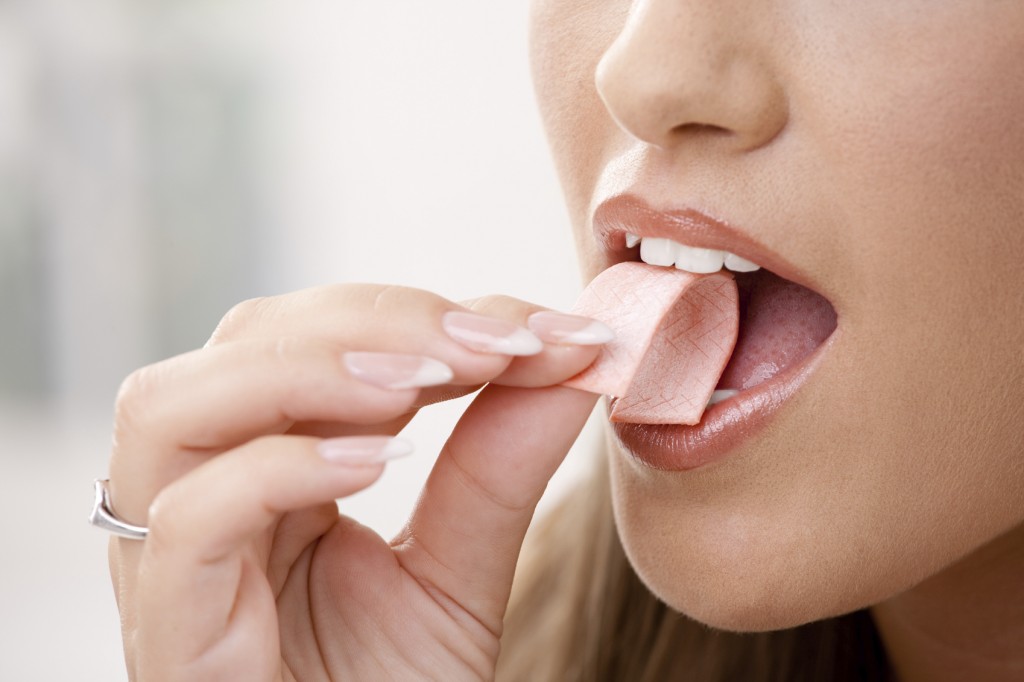 Okay so, maybe that isn’t exactly true. But it is safe to say, millions of Americans chew gum. Some use it for the fresh breath, some us it to curb food cravings, some just like to chew gum for the bubbles, but chewing gum is really good for your teeth. But all chewing gum isn’t the same.
 When the seasons change from cold to hot, or hot to cold, our diets begin to change drastically. Soups and cocoa changes to salads and iced teas. Unfortunately, if we aren’t taking good care of our teeth, this can cause our teeth to give us a painful signal when we test its sensitivity. If you’ve been experiencing jarring sharp pain when you eat or drink hot or even cold foods, or even surprisingly during your oral care routine, you may have developed